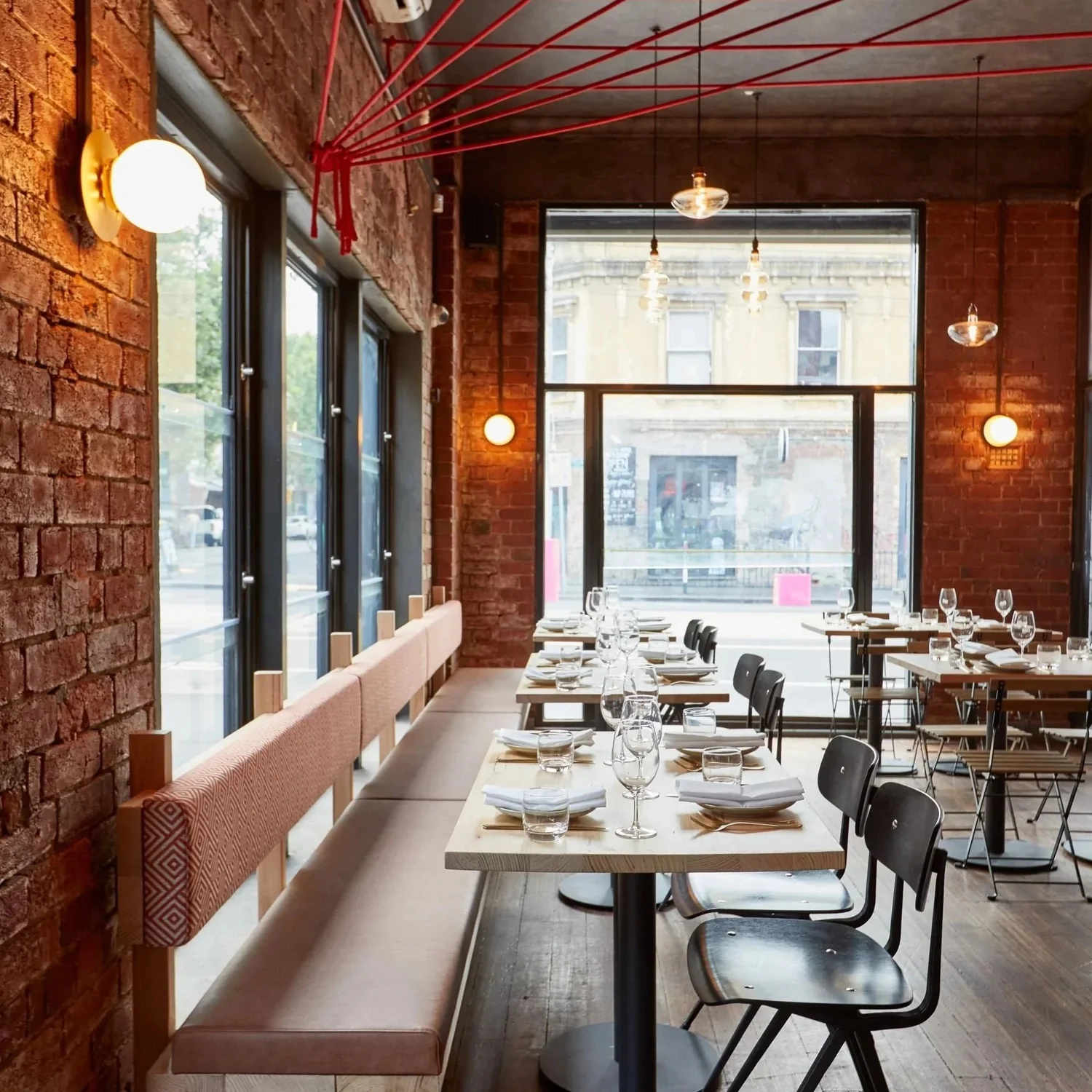
Dal Makhani Melbourne — why Masti's takes 24 hours and what happens when you rush it
There is a version of dal makhani that takes 20 minutes. You open a tin of black lentils, add cream, add butter, add a pre-mixed masala, heat it through and serve it. It is brown. It is warm. It tastes vaguely of lentils. If you have never eaten the real thing you would not know the difference.
Dal makhani is the dish I would use to judge any Indian restaurant in Melbourne. If you are looking for the best Indian restaurant in Melbourne, or simply the most honest Indian food in Melbourne, start with the dal.
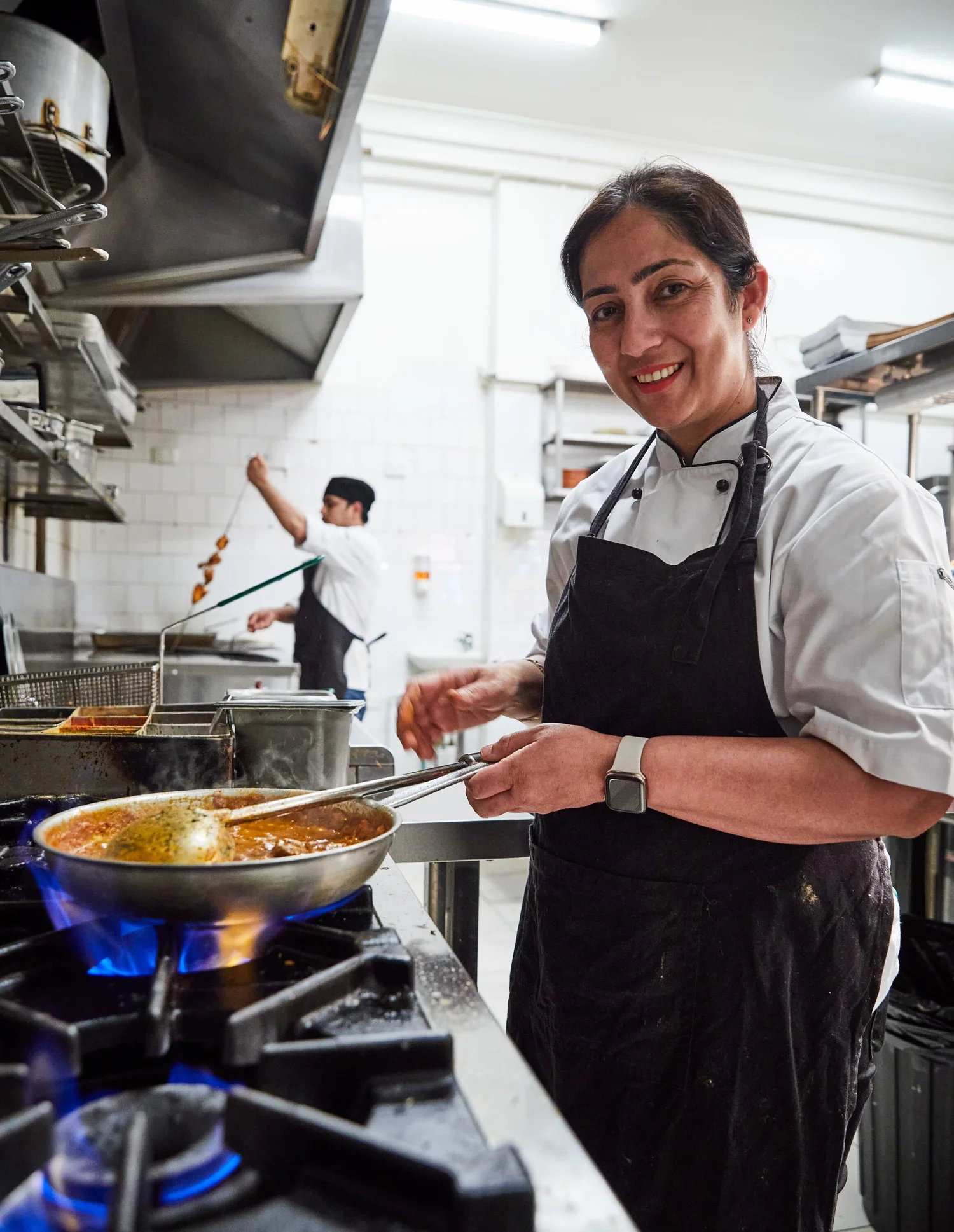
Then there is the version I learned in Punjab's five-star hotel kitchens — the version I have been making every single day at Masti since we opened in 2020. This version starts the evening before service. The lentils go on at night. They cook slowly overnight. By the time the first diner sits down tomorrow evening, the dal has been cooking for twenty-four hours. Sometimes more.
The difference between these two versions is not subtle. It is the difference between a dish and a memory.
"The dal that has been cooking since the previous evening — the one that makes you understand what Indian food actually is."
📍 354–356 Brunswick Street, Fitzroy VIC 3065 — open Tuesday to Sunday from 5pm 📞 (03) 9427 2121
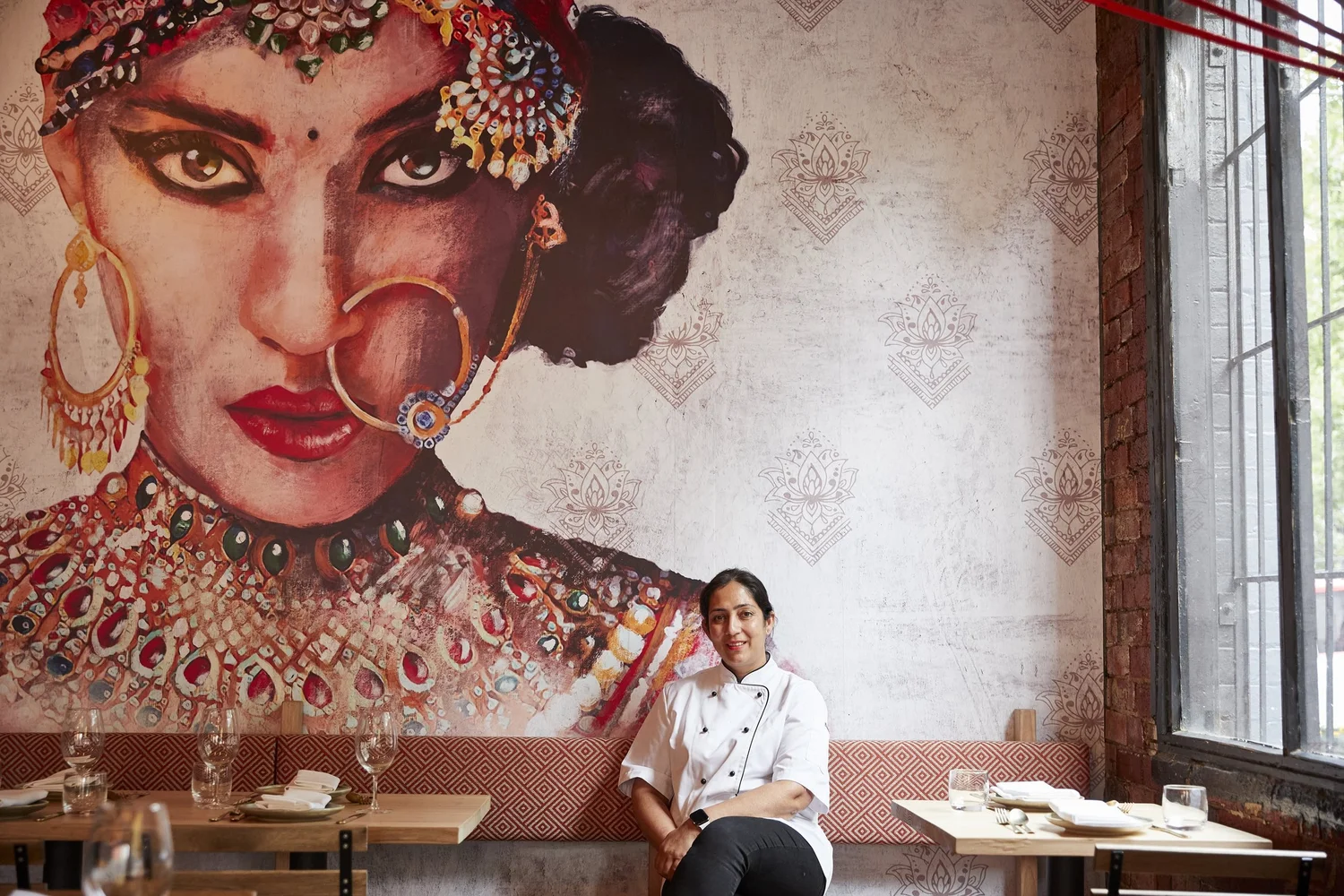
What dal makhani actually is — and where it comes from
Dal makhani — dal meaning lentils, makhani meaning buttery — is one of the defining dishes of Indian cuisine. It originated in the dhabas of Punjab — the roadside restaurants that feed truck drivers, farmers and travellers along the Grand Trunk Road. The original dhabas kept their dal pots on the fire from morning to night, adding water, adjusting spices, never fully emptying the pot. The dal that came out at midnight had been cooking since dawn. The flavour built over hours the way no single-hour version ever could.
The dish was brought to fine dining by Jiggs Kalra — the late Czar of Indian Cuisine who documented and elevated Indian food for the world — and by Kundan Lal Gujral at the legendary Moti Mahal restaurant in Delhi. What began as dhaba food became the dish that defined North Indian cuisine for the world. I was trained in the tradition that came directly from that lineage. Twenty years in Punjab's five-star hotel kitchens, learning this dish from chefs who had learned it from the dhabas. The technique never changed. Only the setting did.
The ingredients — and why whole lentils matter
Dal makhani uses whole black lentils — urad dal sabut — not split, not hulled. The whole lentil has its skin intact. That skin is where most of the flavour and all of the texture lives. When you cook a whole black lentil for twenty-four hours, the skin softens gradually until it almost dissolves into the dal — releasing a natural starchiness that thickens the dish from the inside without adding flour or cornstarch or cream as a thickener.
The second ingredient is rajma — whole red kidney beans. A small quantity, added to the black lentils, contributing a different texture and a slightly earthy depth that complements the black lentil's earthiness.
Then the aromatics. Ginger. Garlic. Tomatoes — charred first, skins blistered and blackened over an open flame before they go anywhere near the pot. This charring step is not decorative. The Maillard reaction that happens when a tomato chars produces flavour compounds that raw or roasted tomatoes simply do not contain. The char goes into the sauce. That smokiness sits underneath everything else in the finished dal and is completely absent from any version that skips this step.
Then the spices. Whole cumin seeds bloomed in ghee first — not added dry, not added to liquid, but dropped into hot clarified butter until they spit and release their volatile oils into the fat. That fat then carries those oils through everything else in the pot. This is the blooming technique that separates Indian cooking from every cuisine that simply adds ground spice to a liquid and hopes for the best.
Why 24 hours — what happens to the dal overnight
This is the question I get asked most often. Why does it need to take so long? What is actually happening in the pot?
Three things happen during a long slow cook that cannot be replicated by heat alone.
First — the starch releases. The skin of a whole black lentil contains complex carbohydrates that break down slowly under sustained low heat. At high heat they either stay rigid or break entirely. At low, sustained heat over many hours they soften progressively — releasing a natural starchiness into the liquid that thickens the dal from within. The result is a body and viscosity that no cream or butter can fake. It is not rich because cream was added. It is rich because the lentil itself has given everything it has to the liquid over twenty-four hours.
Second — the flavours marry. In the first hour of cooking, the spices, the tomatoes, the lentils and the aromatics are all separate flavour profiles sitting in the same pot. By hour twelve they have begun to merge. By hour twenty-four they are inseparable. The cumin you bloomed in ghee at the start is no longer identifiable as cumin — it has become part of the base note of the entire dish. The charred tomato is no longer identifiable as tomato — it is the depth. This is what cooks mean when they talk about a dish coming together. It is not metaphorical. It is chemical.
Third — the colour develops. A dal makhani that has been cooking for twenty-four hours is nearly black. Not dark brown. Nearly black. The colour comes from the slow caramelisation of the tomatoes, the oxidation of the spices and the concentrated reduction of the liquid over hours. That colour is visible evidence of what has happened in the pot. When you see a pale or medium-brown dal makhani on a Melbourne menu, you are seeing a dish that has not had enough time. The colour tells you everything.
What happens when you rush it — and why most Melbourne dal makhani is not the real thing
I want to be honest about this because I think Melbourne diners deserve to know what they are eating.
Most dal makhani served in Melbourne restaurants takes between 20 minutes and 2 hours. The lentils are pressure-cooked first to soften them quickly. Then a pre-made tomato base is added — often from a commercial preparation. Then cream and butter are stirred in at the end to add richness. The result is smooth, warm, adequately spiced and completely missing the point.
What pressure cooking does to a black lentil is not the same as what twenty-four hours of slow cooking does. The pressure cooker forces moisture into the lentil rapidly — it softens the lentil but does not give the lentil time to release its starch gradually into the liquid. The natural thickening never happens. So cream must be added to create body. The cream creates a different kind of richness — fatty and immediate rather than deep and structural. It is pleasant. It is not dal makhani.
I am not criticising the restaurants that do this. Time is a resource in a commercial kitchen and twenty-four-hour dal is a commitment that most kitchens cannot sustain. At Masti we have made the choice to sustain it because I cannot serve a dal makhani I would not eat myself. The twenty-four-hour dal is not a marketing claim. It is a discipline that shapes everything else we do in the kitchen.
"Outstanding. Undoubtedly the best Indian food we have ever had outside India." — Verified AGFG reviewer
How to eat dal makhani at Masti — the right way
Dal makhani at Masti arrives in a bowl alongside whatever else you have ordered. The right way to eat it is with freshly baked naan — torn, not cut, pressed into the dal and lifted to the mouth with the dal clinging to the bread. The naan at Masti is baked in the live clay tandoor at 480 degrees. It arrives hot, blistered, with a char on the underside from contact with the clay wall. Tear it. Press it into the dal. That is the dish.
A second approach — particularly for the plant-based diners at the table — is to eat the dal makhani with basmati rice. The rice absorbs the dal over the course of the meal. By the final spoonful the rice and dal have merged into something richer than either was alone. This is how dal makhani is eaten across Punjab's dhabas — rice on the side, dal poured over, eaten slowly.
The dal makhani is also, for what it is worth, completely gluten-free. Whole black lentils, tomatoes, spices, ghee, cream. Nothing else. See the full menu here.

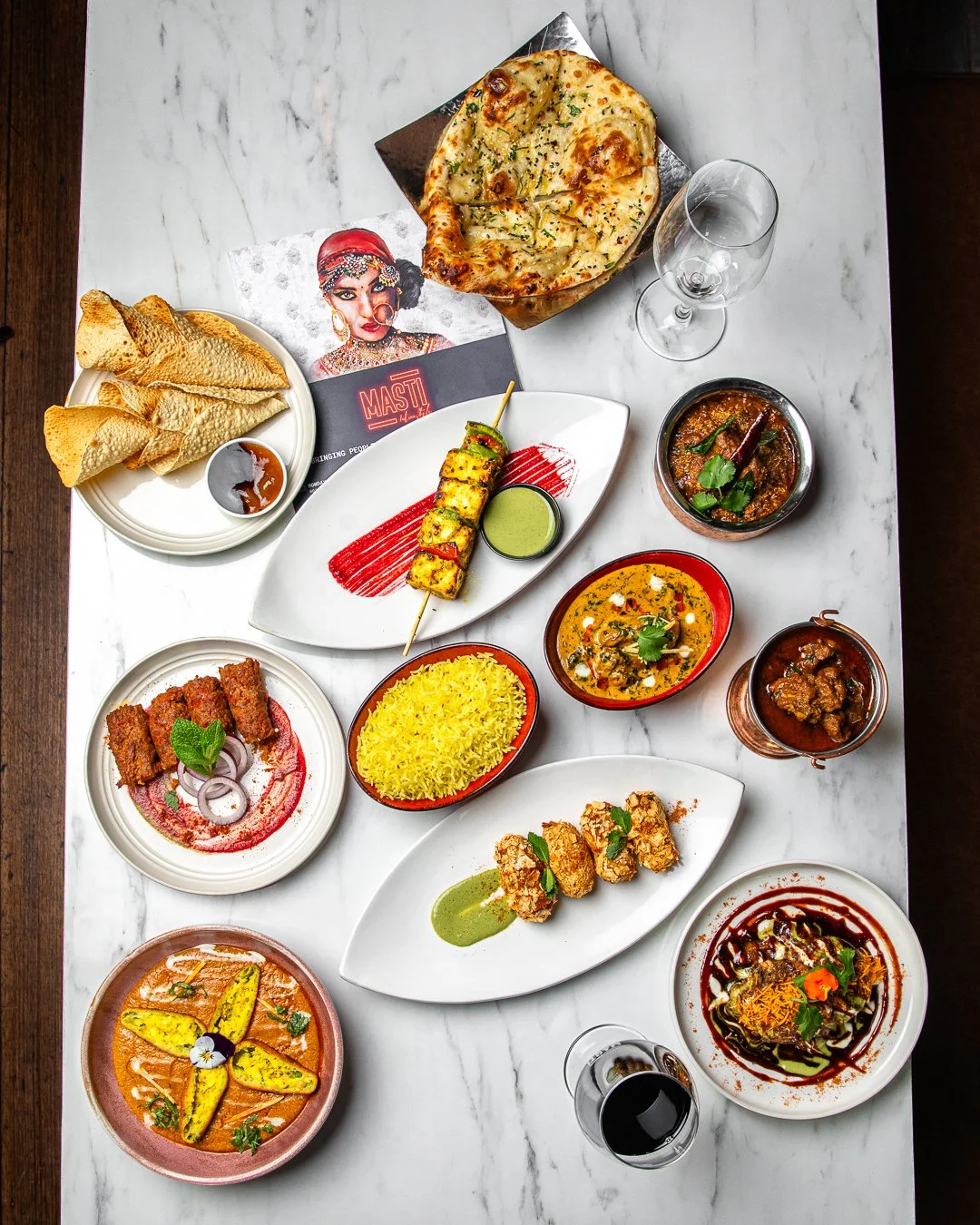
Dal makhani and the full Masti menu — what to order alongside it
Dal makhani is the anchor of a North Indian meal at Masti. It is the dish everything else orbits around. Here is what the kitchen recommends alongside it.
Amritsari fish — order it first while the dal finishes. The crispy, spiced fish from the tandoor alongside a cold beer or an Indian single malt sets the table for everything that follows.
Butter chicken — the combination of butter chicken and dal makhani on the same table is one of the great pleasures of North Indian eating. Two dishes that share tomato and spice as their base but arrive at completely different flavour destinations. Order both. Share everything.
Seekh kebabs — from the live clay tandoor, charred and juicy. The right contrast to the dal's slow, rich depth.
Garlic naan — essential. Freshly baked in the tandoor. The vehicle for everything else on the table.
Vegan naan — for plant-based diners, Melbourne's only freshly baked vegan naan is made in the same tandoor. The dal makhani itself contains ghee and cream — ask the kitchen for the vegan dal tadka which is made without dairy and is equally extraordinary. See our full vegan menu here.
Where to find the best dal makhani in Melbourne
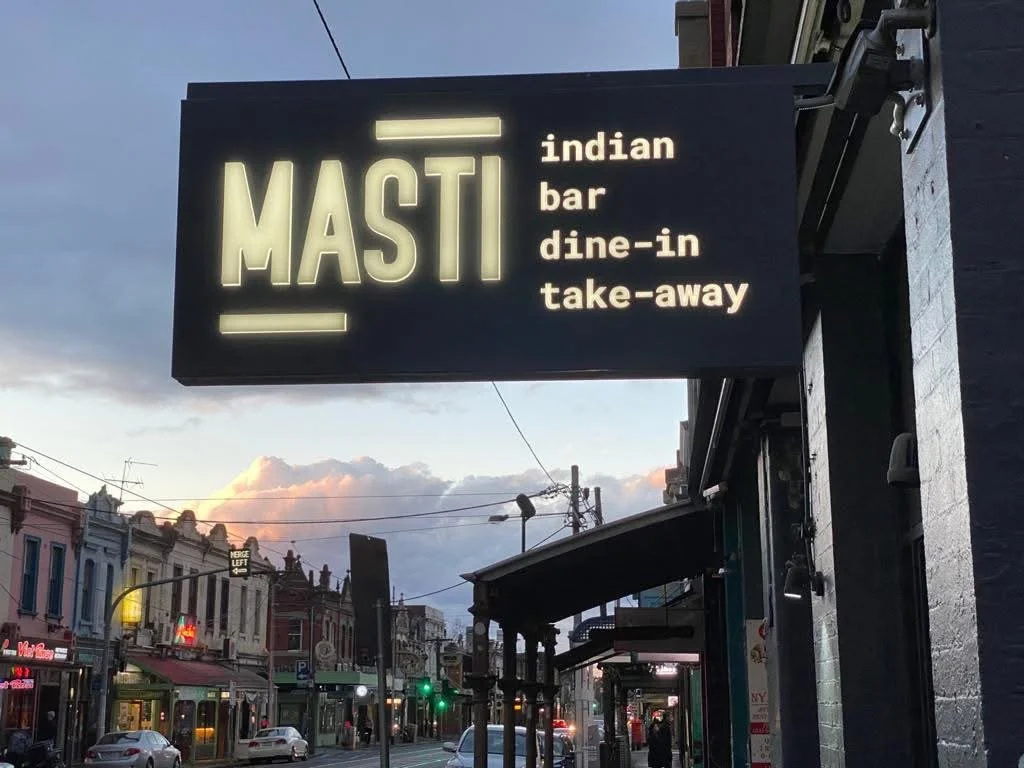
The best dal makhani in Melbourne is on Brunswick Street, Fitzroy — at Masti. Tuesday to Sunday from 5pm. Book your table here.
If you are coming from Carlton or Lygon Street, Masti is five minutes by Uber or a short walk through Edinburgh Gardens. From Collingwood, five minutes. From Melbourne CBD, ten minutes by Uber or direct tram on Routes 11 and 96.
📍 354–356 Brunswick Street, Fitzroy VIC 3065 📞 (03) 9427 2121 ✉ hello@eatdrinkmasti.com 🕔 Tue–Thu 5pm–9:30pm · Fri–Sat 5pm–10pm · Sun 5pm–9:30pm · Mon closed
Frequently asked questions — dal makhani Melbourne
What is dal makhani?
Dal makhani is a slow-cooked North Indian dish made from whole black lentils — urad dal — and kidney beans, cooked with tomatoes, ginger, garlic, whole spices bloomed in ghee, butter and cream. It originated in the dhabas of Punjab and became one of the defining dishes of North Indian cuisine. The best versions cook for 24 hours or more. At Masti the dal goes on the evening before service and cooks overnight.
Where can I find the best dal makhani in Melbourne?
Masti on Brunswick Street, Fitzroy makes what we believe is the best dal makhani in Melbourne — slow-cooked for 24 hours from whole black lentils and charred tomatoes. Open Tuesday to Sunday from 5pm. Book here.
Why does dal makhani take 24 hours to make?
The 24-hour cooking time allows the whole black lentils to release their natural starch slowly — creating a body and richness that no cream or shortcut can replicate. The flavours of the spices, charred tomatoes and aromatics also need time to fully merge. A dal makhani cooked for 24 hours is a completely different dish from one cooked for 2 hours. The colour tells you everything — the slow-cooked version is nearly black.
Is dal makhani vegan?
Traditional dal makhani contains ghee and cream and is not vegan. At Masti, the full plant-based menu includes a vegan dal tadka — spiced yellow lentils made without dairy — alongside Melbourne's only freshly baked vegan naan. See our full vegan menu here.
Is dal makhani gluten-free?
Yes — dal makhani made traditionally from whole black lentils, tomatoes, spices, ghee and cream contains no gluten. At Masti the dal makhani is gluten-free. Please speak to the team when booking if you have specific dietary requirements.
What does dal makhani taste like?
Dal makhani has a deep, earthy, smoky richness — the black lentils provide a nutty earthiness, the charred tomatoes provide a smoky depth, the ghee and cream provide a buttery roundness and the bloomed spices provide a warmth that builds slowly rather than hitting immediately. A properly made 24-hour dal makhani is one of the most complex and satisfying dishes in Indian cuisine.
What should I order with dal makhani at Masti?
The kitchen recommends dal makhani alongside butter chicken, Amritsari fish and garlic naan. Tear the naan and press it into the dal — that is the right way to eat it. The dal makhani is also excellent with basmati rice, the way it is eaten across Punjab's dhabas.
How do I book a table at Masti to try the dal makhani?
Book online at eatdrinkmasti.com/book-online or call (03) 9427 2121. Masti is open Tuesday to Sunday from 5pm at 354–356 Brunswick Street, Fitzroy Melbourne.