
Indo-Chinese food Melbourne — Kolkata Tangra-style chilli chicken, Hakka noodles and Gobi Manchurian at Masti Fitzroy
Ask anyone who grew up in India what they ate after school, at a cousin's birthday or on a Friday night out with friends, and the answer is rarely butter chicken. It is chilli chicken. It is Hakka noodles with too much chilli sauce. It is a plate of Gobi Manchurian shared four ways, eaten standing up at a street stall that has been frying the same dish for thirty years.
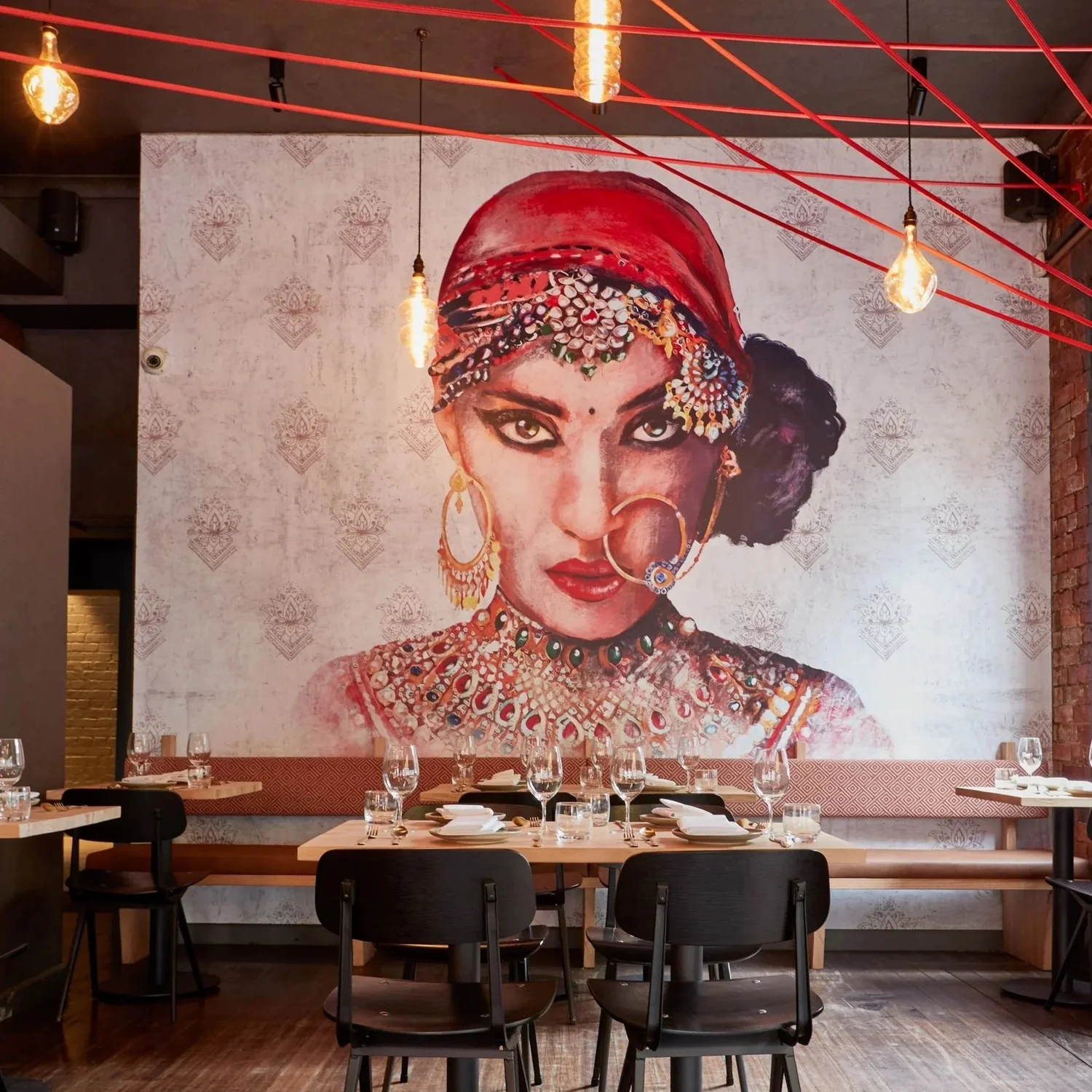
Indo-Chinese is also one of the reasons Masti is not a typical Indian restaurant in Melbourne. If you are searching for the best Indian restaurant in Melbourne that also cooks proper Indo-Chinese, or you simply miss the Indian food in Melbourne that tastes like home, this guide is for you.
That is Indo-Chinese food — the cuisine India built from a Chinese kitchen. Melbourne knows Indian food. Most of Melbourne has never had Indo-Chinese done properly. At Masti on Brunswick Street, Fitzroy, it has its own section of the menu: the Indo-Chinese Wok, cooked Kolkata style, hot and fast, the way it is eaten across India.
📍 354–356 Brunswick Street, Fitzroy VIC 3065 — open Tuesday to Sunday from 5pm 📞 (03) 9427 2121
What is Indo-Chinese food?
Indo-Chinese — also called Indian Chinese, Desi Chinese or simply "Chinese" in every Indian city — is a cuisine that grew out of the Chinese community of Kolkata. It takes Chinese technique — the wok, the high heat, soy sauce, cornflour-coated frying, spring onion and garlic — and cooks it for the Indian palate: hotter, tangier, with green chillies, vinegar and a lot more garlic and ginger.
It is not Chinese food with Indian spices added. Proper Indo-Chinese uses almost no garam masala, no turmeric and no curry base at all. The flavour comes from dark soy, chilli, vinegar, garlic and the smoky edge of a very hot wok. What makes it Indian is the balance — sour, hot, salty and a little sweet, all turned up — and the dishes themselves, many of which do not exist anywhere in China.
Tangra — Kolkata's Chinatown, where it all began
The story starts in 1778, when a Chinese trader named Tong Achew settled south of Calcutta and set up a sugar mill. The place is still called Achipur after him. Over the next century Chinese workers, carpenters and traders followed, and Kolkata's first Chinatown grew up around Tiretta Bazaar in the centre of the city.
In the early twentieth century, the city's Hakka Chinese community moved east to Tangra, where they ran leather tanneries — and opened restaurants. Tangra became India's only true Chinatown. The Hakka cooks there adapted their home cooking to what Kolkata wanted to eat: crispier, spicier, bolder. Chilli chicken, chilli paneer, Hakka noodles and fried rice with dark soy all came out of those kitchens, and from Kolkata they spread to every city in India.
Decades later, in 1975, a cook named Nelson Wang at the Cricket Club of India in Mumbai invented Manchurian when a customer asked him for something new — garlic, ginger and green chilli, soy sauce instead of garam masala, cornflour-coated chicken. The vegetarian version, Gobi Manchurian made with cauliflower, is now one of the most-ordered dishes in India.
Tangra's Chinese community is much smaller today — many families emigrated after the 1962 war, many of them to Canada — but the food they created became one of India's favourite cuisines. When we say Kolkata style at Masti, this is what we mean: the Tangra way of cooking Indo-Chinese, not a generic "Asian" stir-fry.
Kolkata style vs everywhere else
Indo-Chinese is cooked across India, but Kolkata-style Indo-Chinese has a few things that set it apart:
Dark soy and real colour. Kolkata chilli chicken is dark, glossy and almost mahogany from the soy — not the bright red of food colouring.
Green chillies, not chilli powder. The heat comes from fresh green chillies cooked with the capsicum and onion, so it is sharp and fresh rather than dusty.
Dry or gravy. Chilli chicken comes "dry" as a starter, tossed until the sauce clings, or "gravy" to eat with fried rice or noodles. Both are Kolkata classics.
Wok hei. The breath of the wok — the smoky, slightly charred flavour you only get from a wok over a very high flame. It is the difference between restaurant Indo-Chinese and anything you make at home.
The Indo-Chinese Wok at Masti — what to order
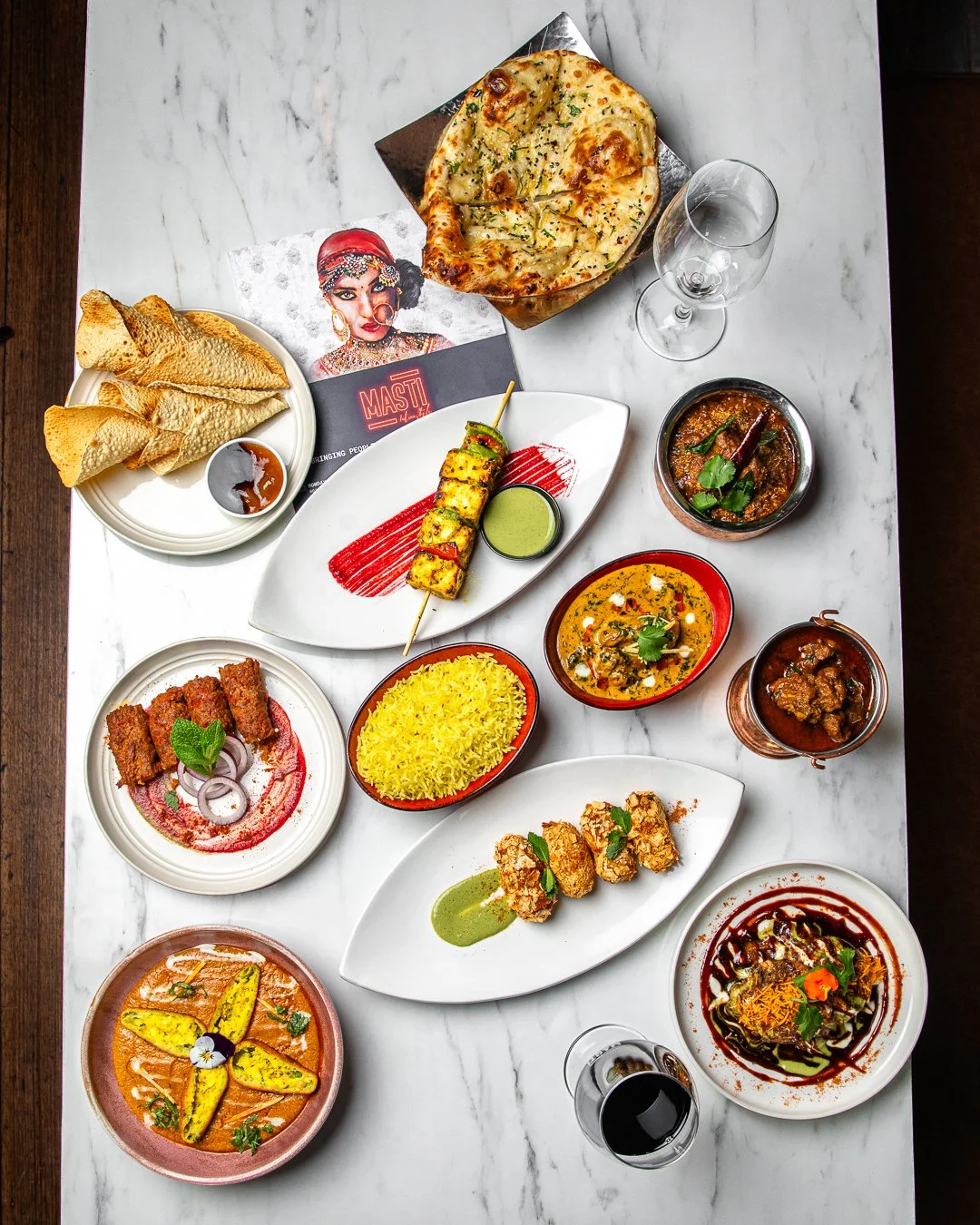
Masti's Indo-Chinese Wok is a section of its own on the menu, made for sharing alongside chaat, momos and the tandoor. Here is the full list.
Chilli Chicken — Kolkata style
The dish that defines the cuisine. Chicken fried until crisp, then tossed in the wok with dark soy, capsicum, onion and green chilli. Hot, tangy, glossy and impossible to stop eating. If you order one Indo-Chinese dish, make it this one.
Chilli Paneer
The vegetarian twin of chilli chicken and just as popular in India. Crispy cubes of house-made paneer tossed with dark soy, capsicum and green chilli. Soft inside, crisp and sticky outside.
Gobi Manchurian
Crispy cauliflower in a garlic, ginger, soy and spring onion sauce. Vegan, dairy-free and one of the most ordered vegetarian dishes in India. Order it for the table — it disappears first.
Hakka Noodles
Named after the Hakka cooks of Tangra. Noodles wok-tossed with vegetables, soy and spring onion — with chicken or prawn if you like. Vegan option available. Hakka noodles with chilli chicken is the classic Indo-Chinese order across India.
Indo-Chinese Fried Rice
Dark soy, spring onion and the smoky edge of the wok — veg, chicken or prawn. The right base for anything from the wok, and for the gravy dishes in particular.
Chopsuey
Crispy fried noodles topped with tangy Indo-Chinese vegetables. Crunchy and saucy at the same time — a street-food favourite in every Indian city. Vegan and dairy-free.
Chilli Momos
Our Himalayan momos, fried and tossed in spicy Indo-Chinese chilli sauce. Veg or non-veg. Where the momos section of the menu meets the wok.
How to order Indo-Chinese like you grew up with it
Indo-Chinese is made for sharing. For two people, order chilli chicken or chilli paneer, a plate of Gobi Manchurian and Hakka noodles or fried rice. For four, add chilli momos and chopsuey. Eat the "dry" dishes first while they are crisp.
It also works with the rest of the Masti menu in a way most Melbourne restaurants cannot offer — start with pani puri or papdi chaat, move to chilli chicken and momos, and finish with butter chicken, dal makhani and naan from the tandoor. That is what a night out at a busy Indian restaurant in Delhi or Mumbai looks like. Pair the wok dishes with a cold Indian beer, or bring your own on Wednesday and Sunday nights — Masti is BYO both nights.
Indo-Chinese for vegetarians, vegans and gluten-free diners
A big part of Indo-Chinese food in India is vegetarian, and the Masti Wok reflects that. Gobi Manchurian and chopsuey are vegan and dairy-free, chilli paneer is vegetarian, and Hakka noodles and fried rice both have vegan options. Most Indo-Chinese sauces use soy sauce and the dishes are coated in flour, so they are not gluten-free — if you are coeliac or gluten-free, talk to the team when you book and they will steer you to the gluten-free dishes on the menu.
Indo-Chinese catering in Melbourne
Hakka noodles, chilli chicken and Gobi Manchurian are some of the most requested dishes for Indian parties and office lunches. If you are planning an event, ask us about adding Indo-Chinese dishes to your Masti catering menu. Ask about catering →
Where to find Indo-Chinese food in Melbourne
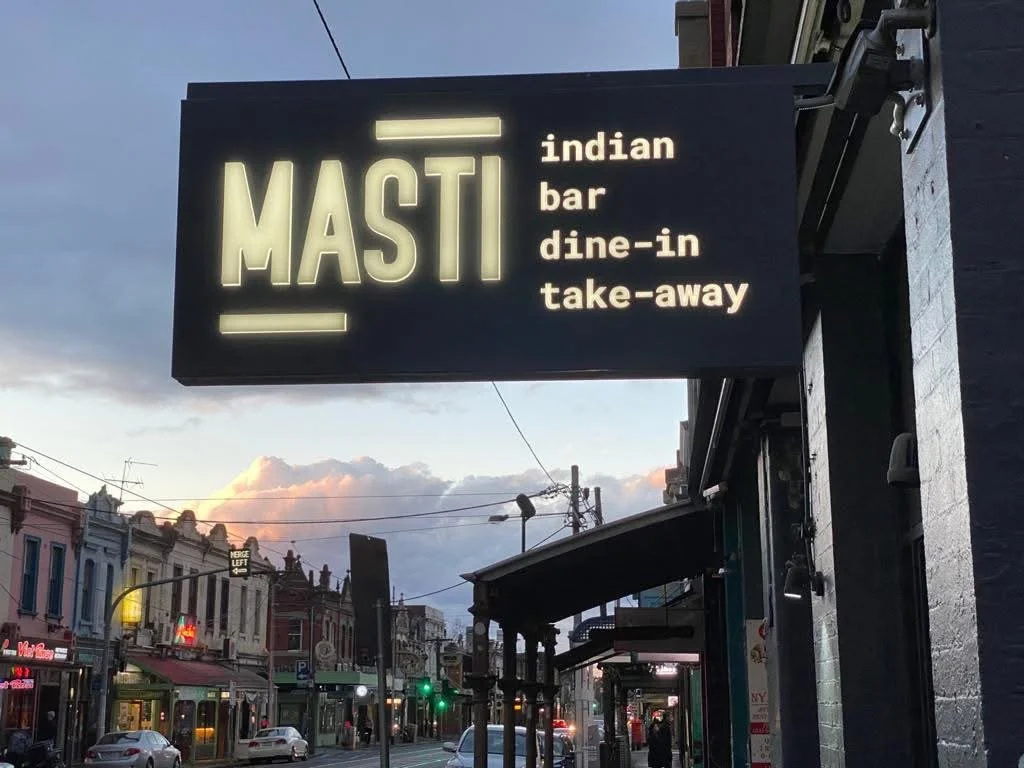
Masti is at 354–356 Brunswick Street, Fitzroy — ten minutes from the Melbourne CBD by Uber or tram routes 11 and 96, five minutes from Collingwood and Carlton. Open Tuesday to Sunday from 5pm. Walk-ins welcome, bookings recommended on Friday and Saturday nights.
📍 354–356 Brunswick Street, Fitzroy VIC 3065 📞 (03) 9427 2121 ✉ hello@eatdrinkmasti.com
Frequently asked questions — Indo-Chinese food Melbourne
Where can I get Indo-Chinese food in Melbourne?
Masti on Brunswick Street, Fitzroy has a dedicated Indo-Chinese Wok section — Kolkata-style chilli chicken, chilli paneer, Gobi Manchurian, Hakka noodles, Indo-Chinese fried rice, chopsuey and chilli momos. Open Tuesday to Sunday from 5pm, ten minutes from the Melbourne CBD.
What is Kolkata-style chilli chicken?
Kolkata-style chilli chicken is crispy fried chicken tossed in a hot wok with dark soy sauce, capsicum, onion and fresh green chillies. It comes from the Hakka Chinese kitchens of Tangra, Kolkata's Chinatown, and is darker, tangier and hotter than versions made elsewhere.
What is Tangra-style Chinese food?
Tangra is the area of east Kolkata where the city's Hakka Chinese community settled in the early twentieth century. The restaurants there created Indian Chinese food — chilli chicken, Hakka noodles, chilli paneer and fried rice with dark soy — cooked for Indian tastes: spicier, tangier and crispier.
Is Indo-Chinese food spicy?
It can be. Chilli chicken and chilli paneer are made with fresh green chillies and have real heat. Gobi Manchurian, Hakka noodles and fried rice are milder. Ask the team at Masti which dishes are hottest when you order.
What is the difference between Hakka noodles and chow mein?
Hakka noodles are the Indian Chinese version of stir-fried noodles, named after the Hakka cooks of Kolkata. They are tossed with soy, vinegar, vegetables and chilli in a very hot wok, and are usually eaten with chilli chicken or Manchurian.
Is Gobi Manchurian vegan?
Yes — Masti's Gobi Manchurian is vegan and dairy-free: crispy cauliflower in a garlic, ginger, soy and spring onion sauce.
Can I order Indo-Chinese for catering in Melbourne?
Ask us. Hakka noodles, chilli chicken, chilli paneer and Gobi Manchurian are popular requests for Indian parties and office events — tell us what you have in mind when you enquire. Enquire about catering here.